Plumbing - Principle general Pipe Introduce
Different types of plumbing pipes can be used in a number of ways, from carrying water to your kitchen faucet to delivering waste to your sewage system. These kinds of drainage and delivery systems have been around since ancient times. The Greeks used clay pipes to transport water to homes and public buildings. Moving into the early twentieth century, materials like cast iron, terra-cotta, copper, and galvanized steel became more popular.
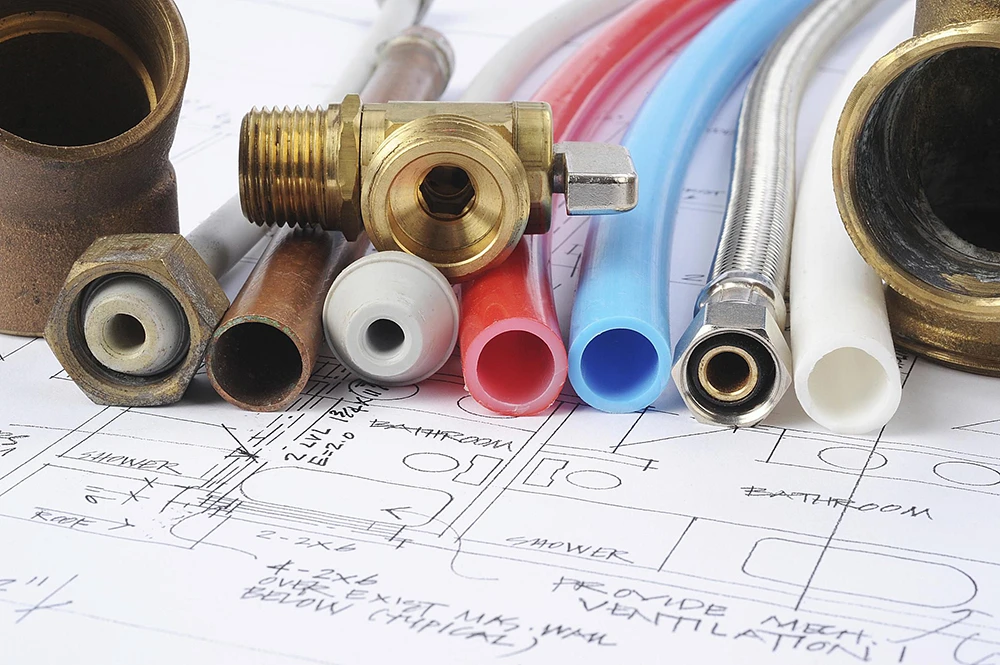
As our understanding of lead poisoning developed, things evolved even further. Today, there are many different types of pipes available, each used to serve a specific purpose. This list consists of PVC,CPVC, PEX, ABS, copper, and galvanized steel, and cast iron piping.
1. PVC Pipes
Polyvinyl chloride pipes (PVC) are commonly used as part of a sink, toilet, or shower drain line. Its plastic tubing is ideal for this kind of usage because it protects the water from rust and corrosion better than other types of pipes. This capability also makes PVC pipe incredibly durable. Unless they are subject to some kind of damage, PVC pipes will last indefinitely.
PVC pipe is also able to handle high water pressure. This is why it can also serve as your home’s main water supply line. It is also a lighter-weight material, making it easier to work with than the more traditional galvanized steel piping options. PVC pipes contain a smooth inner lining as well, which protects against sediment buildup and makes them more resistant to blockages.
Drawbacks surrounding PVC pipe include limited size options, an inability to withstand hot water, and concerns over toxicity. Though PVC piping meets all standards set by the American National Standards Institute, there are concerns that it may introduce polyvinyl chloride chemicals into drinking water, potentially causing respiratory and reproductive issues. It is for this reason that some states have banned PVC plumbing pipes from transporting drinking water.
Material: PVC is a type of plastic that is lightweight, strong, and resistant to corrosion and chemicals.
Applications: Commonly used for water supply lines, drainage systems, irrigation, and industrial piping.
Types: Available in different schedules (e.g., Schedule 40, Schedule 80) which indicate the wall thickness and pressure rating. Schedule 40 is typically used for residential plumbing, while Schedule 80 is used for higher pressure applications.
Installation: Easy to cut and join using solvent cement, which creates a strong, leak-proof bond.
Cost-Effective: Generally more affordable than metal pipes like copper or steel, making it a popular choice for many projects.
Temperature Limitations: PVC pipes are not suitable for high-temperature applications, as they can soften and deform at temperatures above 140°F (60°C).
2. CPVC Pipes
CPVC (Chlorinated Polyvinyl Chloride) pipes are a popular choice for plumbing due to their durability, flexibility, and resistance to high temperatures and chemicals. Here are some key points about CPVC pipes:
Material: CPVC is a thermoplastic made by chlorinating PVC resin, which enhances its properties.
Temperature Resistance: CPVC can handle higher temperatures than regular PVC, making it suitable for hot water applications. It can withstand temperatures up to 200°F (93°C).
Chemical Resistance: CPVC is highly resistant to a wide range of chemicals, making it ideal for use in industrial settings where chemical exposure is common.
Ease of Installation: CPVC pipes are easy to cut and join using solvent cement, which simplifies the installation process.
Durability: CPVC is resistant to corrosion and degradation, ensuring a long lifespan for plumbing systems.
Cost-Effective: CPVC is generally more affordable than metal pipes like copper, making it a cost-effective option for plumbing.
3. PEX Pipes
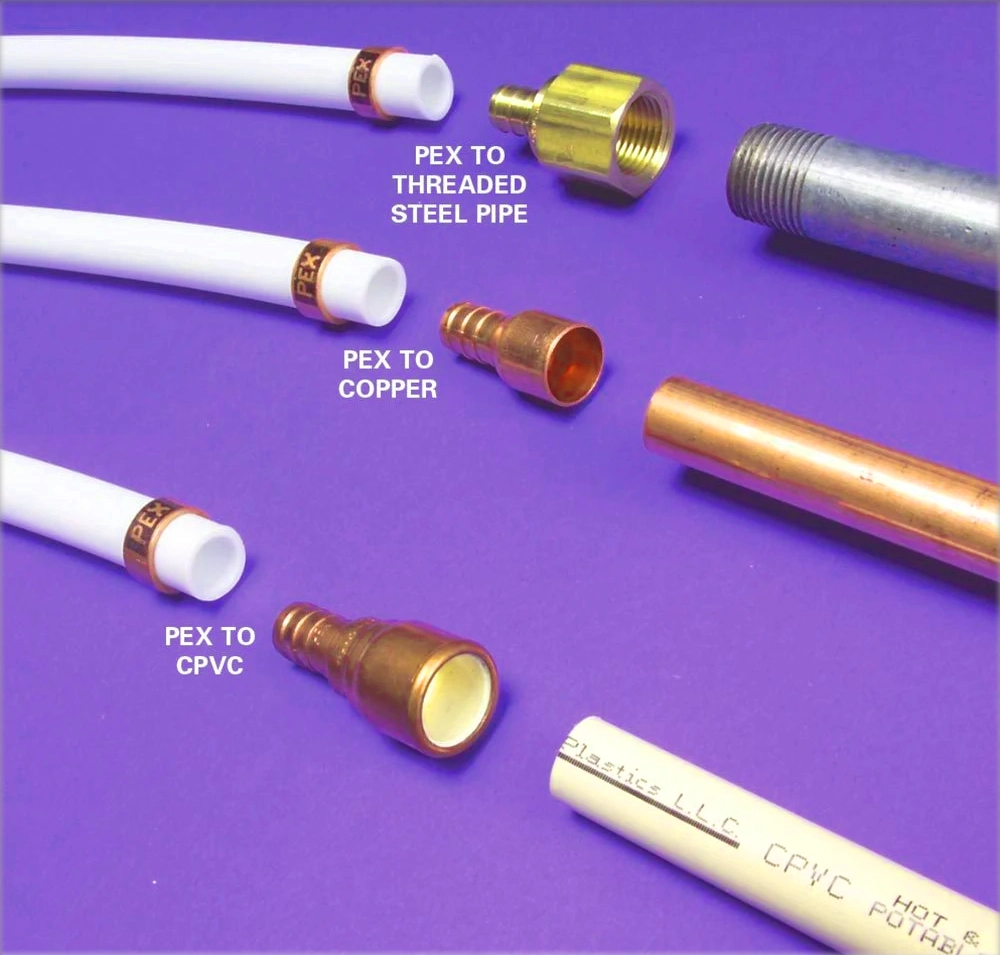
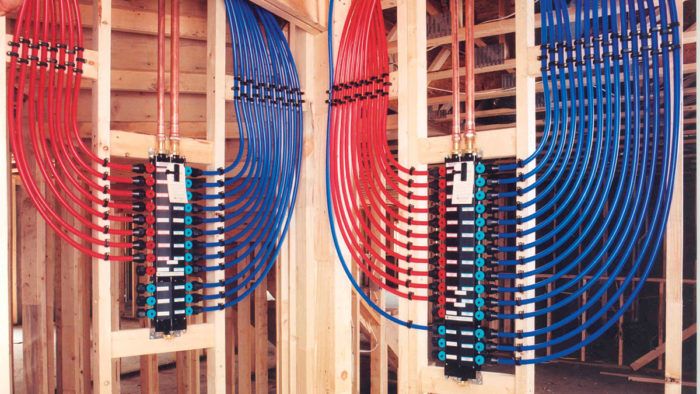
PEX, or cross-linked polyethylene, piping also refers to an affordable plastic tubing commonly used for water supply lines. Similar to PVC piping, it prevents rust or corrosion from leaching into the water.
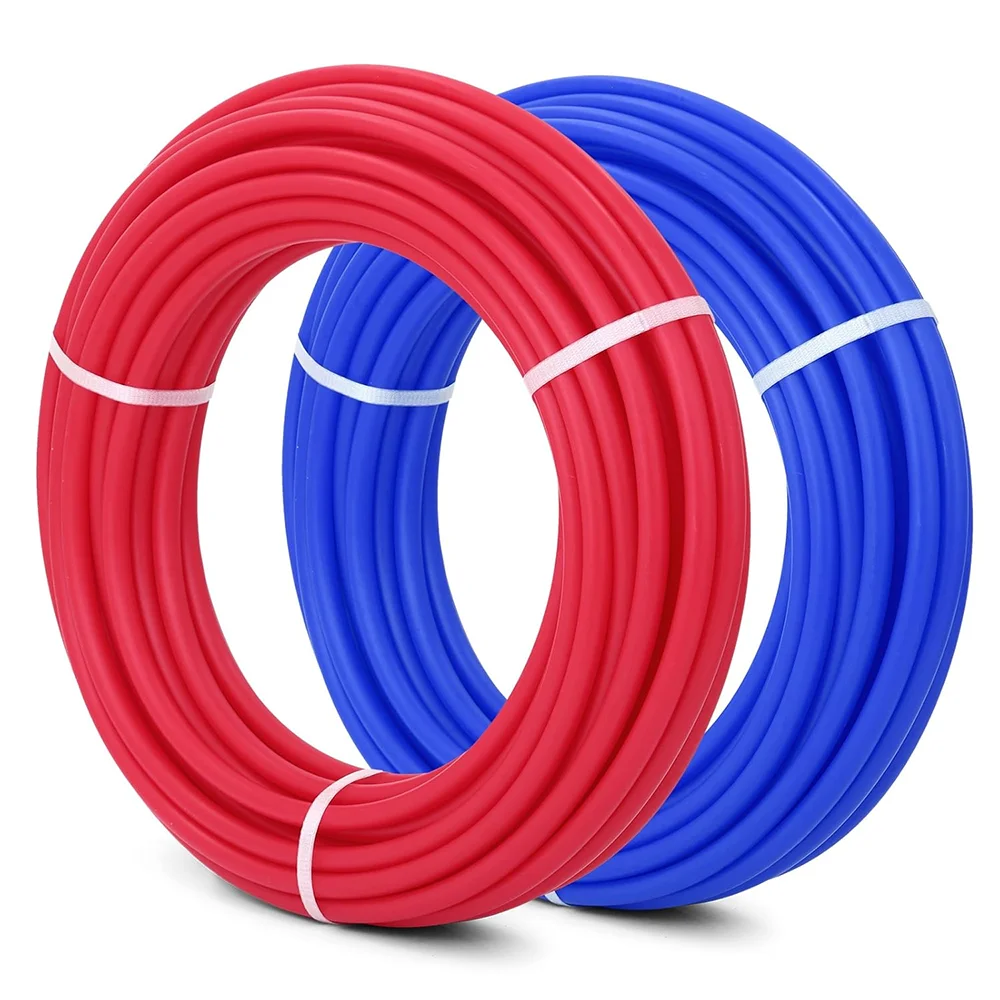
Professionals remain drawn to PEX pipes because they are flexible and easy to weave through walls, ceilings, basements, and crawl spaces. At the same time, they’re strong enough to withstand the pressures of your water supply. Cross-linked polyethylene pipe is also color-coded for hot and cold water, making it easy for plumbers to identify and organize when on the job.
Material: Made from cross-linked polyethylene, which makes it more durable and resistant to high temperatures and pressures compared to traditional plastic piping.
Flexibility: Can be bent and maneuvered around obstacles without the need for many fittings, reducing potential leak points.
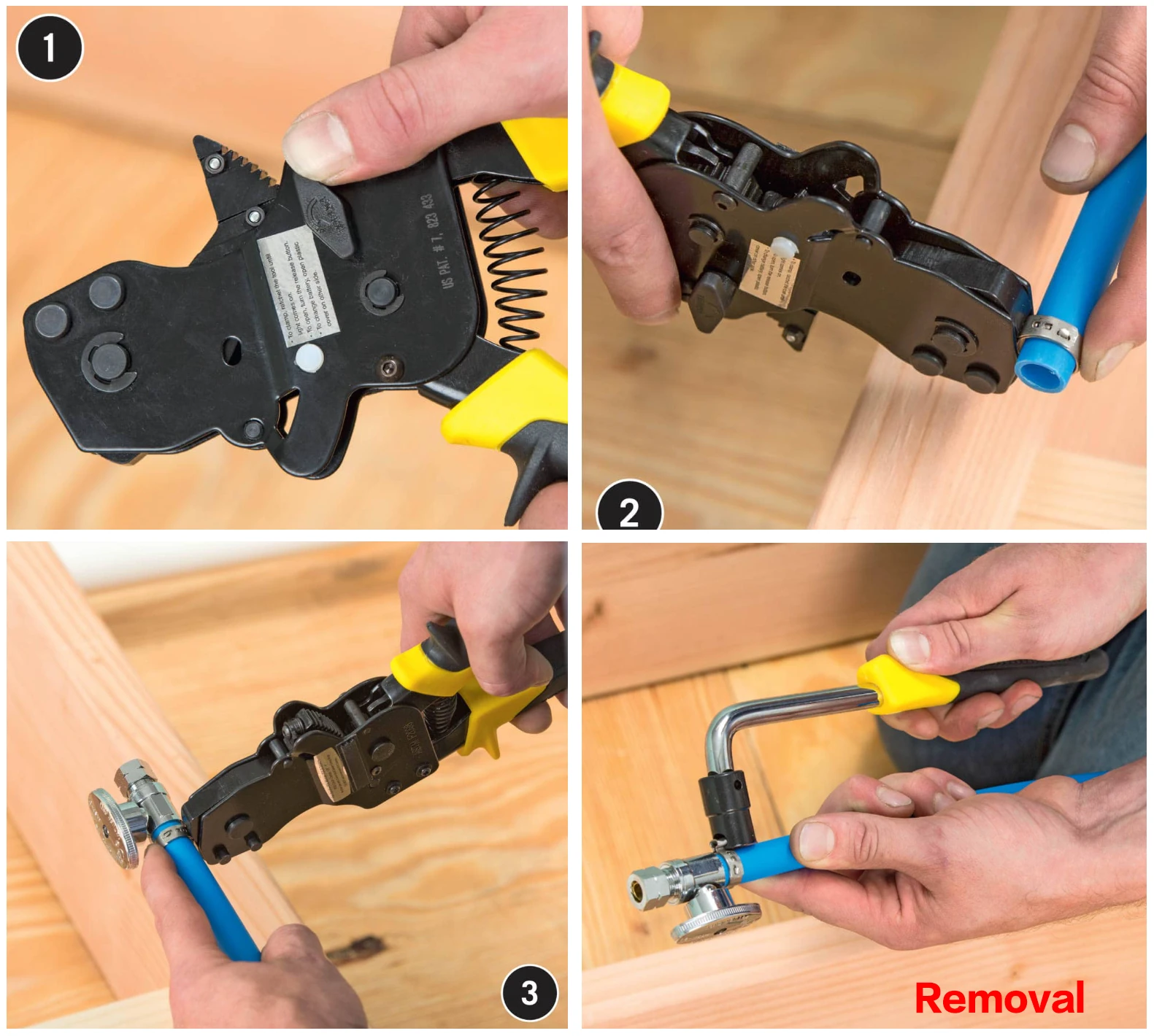
Installation: Easier to install than traditional copper or PVC pipes. It can be installed using crimp, clamp, or push-fit fittings, which speeds up the installation process.
Color Coding: Comes in different colors (blue for cold water, red for hot water, and white or gray for both) to help differentiate between hot and cold water lines.
Resistance: Highly resistant to scale and chlorine, which ensures longevity and maintains water quality.
Cost-Effective: Often more affordable than copper piping and requires fewer fittings and less labor for installation.
Expansion and Contraction: PEX can expand and contract, making it less prone to burst pipes during freezing conditions.
4. ABS Pipes
Acrylonitrile butadiene styrene (ABS) pipe is similar to PVC pipes in nature but easy to identify based on their black color. Acrylonitrile butadiene styrene is also particularly resilient to cold temperatures. It is predominantly used for vent and drain lines.
Though this kind of plumbing pipe is easy to install, it can warp when exposed to direct sunlight. ABS pipes are also noisier than other types of plumbing pipes, causing disturbances among some homeowners.
Material: ABS is a thermoplastic resin known for its strength and durability.
Color: ABS pipes are typically black, making them easy to distinguish from other types of plastic pipes like PVC, which are usually white or gray.
Applications: ABS pipes are used for drainage, sewage, and venting applications. They are not typically used for potable water supply due to the presence of BPA (Bisphenol A).
Temperature Resistance: ABS can withstand extreme temperatures, both hot and cold, making it suitable for outdoor and underground installations.
Installation: ABS pipes are easy to install using a one-step process with special ABS cement, which bonds the pipes instantly.
Advantages: ABS is strong, shock-resistant, and does not corrode or rust. It is also resistant to chemical and physical damage.
Limitations: ABS can warp if exposed to direct sunlight for extended periods, and it transmits the sound of running water, making it less "quiet" compared to PVC pipes.
5. Copper Pipes
Copper pipe has been a staple within the plumbing industry for decades. This type of plumbing pipe can last upwards of 50 years and is commonly found in sinks, showers, tubs, and other fixtures in new and old homes. Copper pipes remain popular among plumbers and homeowners alike because they are corrosion-resistant and best suited to protect the quality of the water.
Copper pipes are able to handle high water pressure and are tolerant of both hot and cold water temperatures. It's also able to be recycled, making it a somewhat environmentally-friendly option.
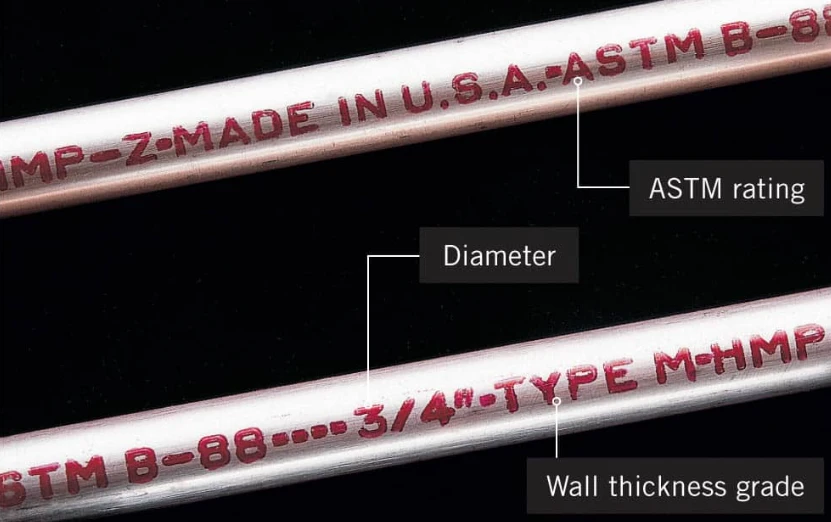
That said, are a few drawbacks to consider. Because it is so rigid, plumbers cannot use copper piping in tight spaces. It is also the most expensive type of plumbing pipe. As the price of copper continues to rise, so will the costs of any project involving copper pipe.
Material: Copper is a metal known for its strength and resistance to corrosion.
Types of Copper Pipe:
Type K: Thick-walled, used for underground water mains.
Type L: Medium-walled, used for interior plumbing and some underground installations.
Type M: Thin-walled, used for indoor water supply and low-pressure systems.
Advantages:
Durability: Copper pipes have a long lifespan and can last for decades without needing replacement.
Corrosion Resistance: Resistant to corrosion and can handle both hot and cold water.
Bacteriostatic: Copper has natural antimicrobial properties, which can help reduce the growth of harmful bacteria.
Heat Tolerance: Copper can withstand high temperatures, making it suitable for hot water supply lines.
Recyclable: Copper is 100% recyclable, making it an environmentally friendly option.
Installation: Requires soldering or compression fittings to join pipes and fittings, which can be more labor-intensive compared to installing plastic pipes.
Cost: Copper pipes are generally more expensive than plastic pipes, but their durability and longevity often justify the higher cost.
6. Cast Iron and Galvanized Steel Pipes
Cast iron pipe and galvanized steel pipe are rarely included in new construction, though they are commonly found in homes built in the early 20th century. Still, cast iron plumbing pipes are incredibly durable and remain in use for parts of water distribution systems today.Before 1960,water supply system made of galvanized steel.
Cast iron pipes were typically used as sewer pipes or other drainage purposes. Their popularity largely stemmed from the fact that they are heat-resistant and reduce the sound of moving water.
Unfortunately, cast-iron pipe is prone to rust and corrosion. Over time, this will affect its ability to maintain a clean water supply. These types of pipes have largely been replaced by copper or PEX pipes in residential plumbing repairs.
Cast Iron Pipes
Material: Made from iron and carbon, cast iron pipes are known for their durability and strength.
Applications: Commonly used for drainage, sewage, and venting applications due to their ability to handle large volumes of waste water.
Advantages:
Durability: Highly durable with a long lifespan.
Noise Reduction: The density of cast iron helps in reducing the noise of running water.
Fire Resistance: Cast iron is non-combustible and provides excellent fire resistance.
Installation: Requires specialized tools and fittings, making installation more labor-intensive compared to plastic pipes.
Corrosion: Prone to rust and corrosion over time, especially if exposed to moisture continuously.
Maintenance: Regular maintenance may be required to prevent blockages and corrosion.
Galvanized Steel Pipes
Galvanized steel pipes have been a common choice for plumbing systems in the past, primarily for water supply lines. Here's a detailed look at them:
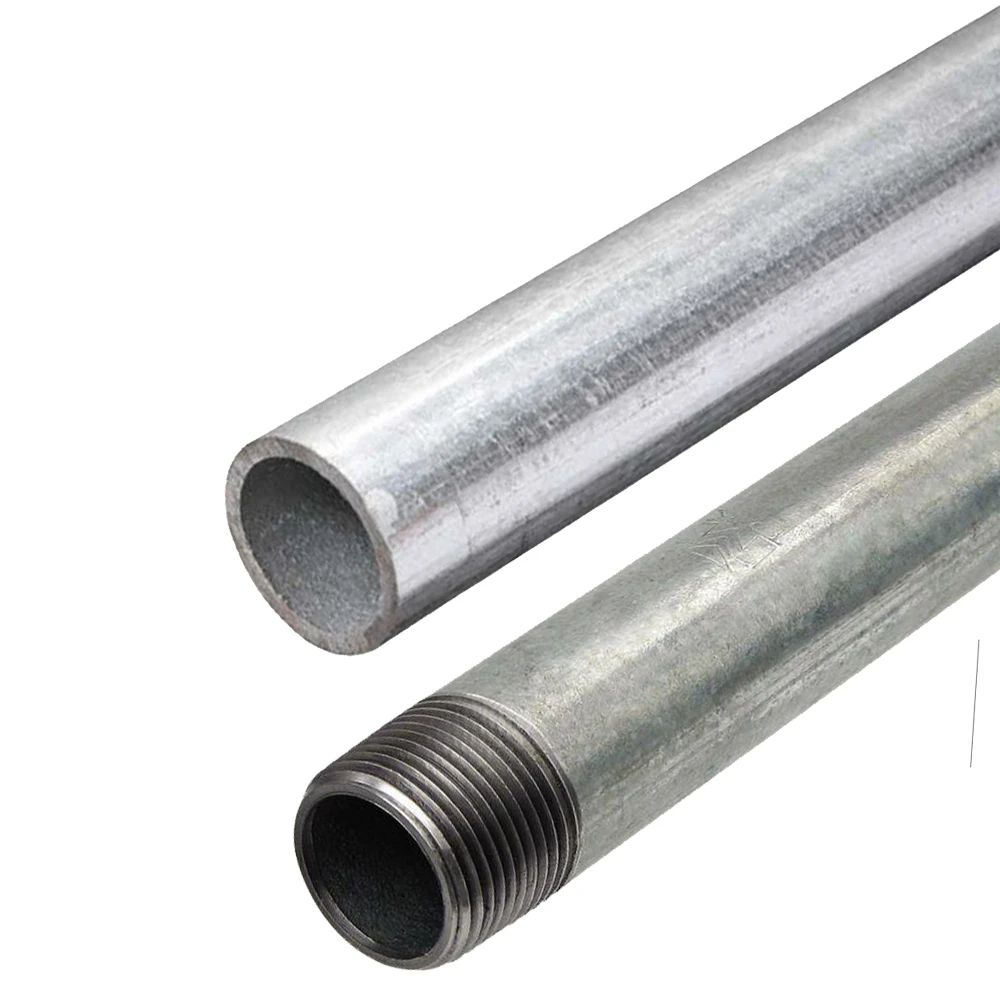
Material: Made from steel coated with a layer of zinc to prevent rusting.
Applications: Used for water supply lines and sometimes for gas lines.
Advantages:
Strength: Strong and durable, with the ability to handle high pressures.
Rust Prevention: The zinc coating helps protect the steel from rust and corrosion.
Installation: Requires threading and specialized fittings, making installation more complex and labor-intensive.
Corrosion: Over time, the zinc coating can wear off, leading to rust and corrosion, especially on the inside of the pipes.
Water Quality: Can affect water quality, causing discoloration and a metallic taste if the pipes corrode.